
Platforms in Workers’ Own Country
What happens when Uber enters a city with strong labor market institutions?
The first post asked whether Kerala’s left-led government, powerful trade unions, transport regulations, welfare institutions, and collective culture could extend their authority into Uber. Approximately three weeks of fieldwork in Thiruvananthapuram produced an unexpected answer. These institutions remained powerful, but their power did not automatically extend into the platform’s infrastructure. Public licensing, welfare funds, trade unions, and stands continued to govern parts of the transport labor market. Uber, however, controlled app-based dispatch, pricing, evaluation, and account access. Four findings explain how this outcome emerged.
Whom Did I Meet?
- Interviewing Actors at Multiple Levels
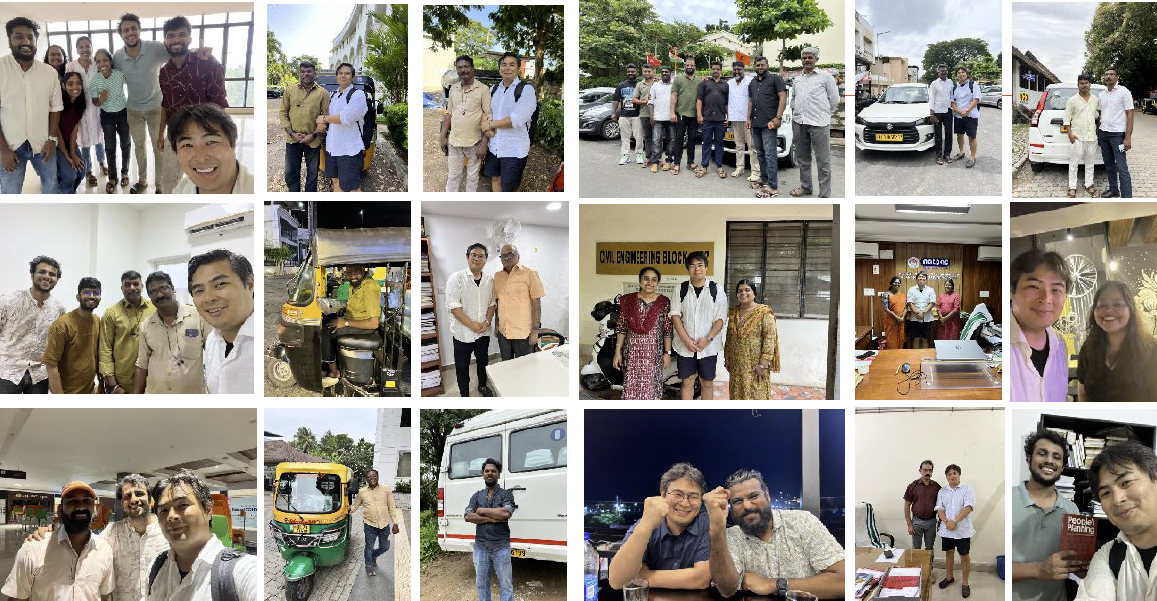
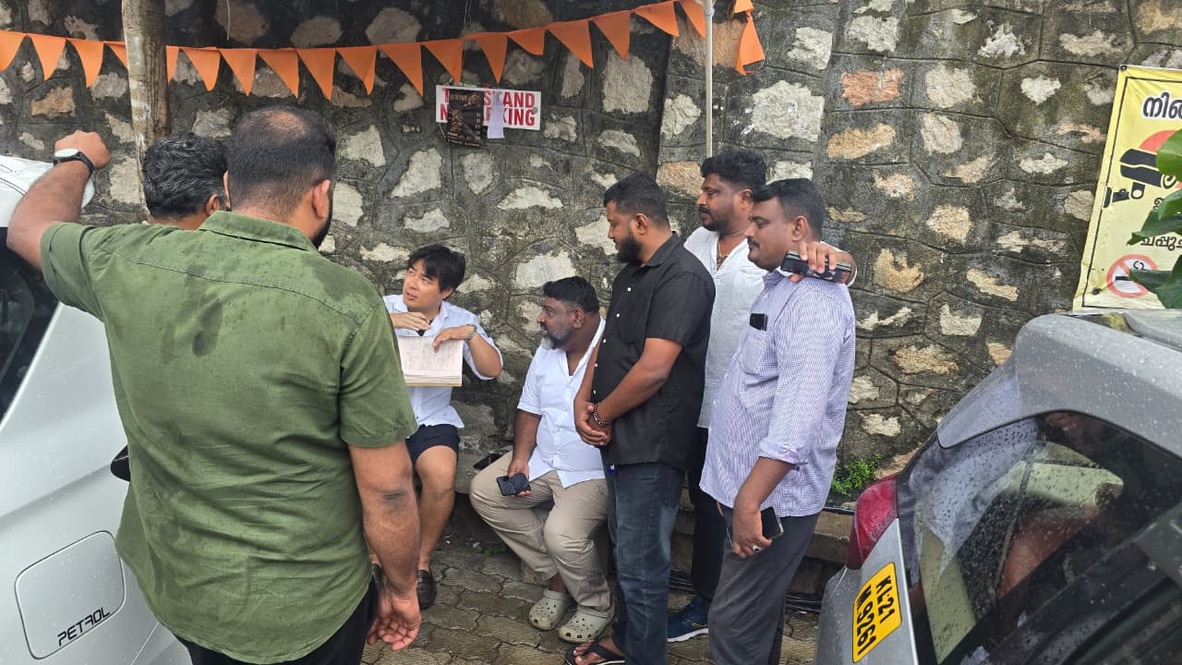
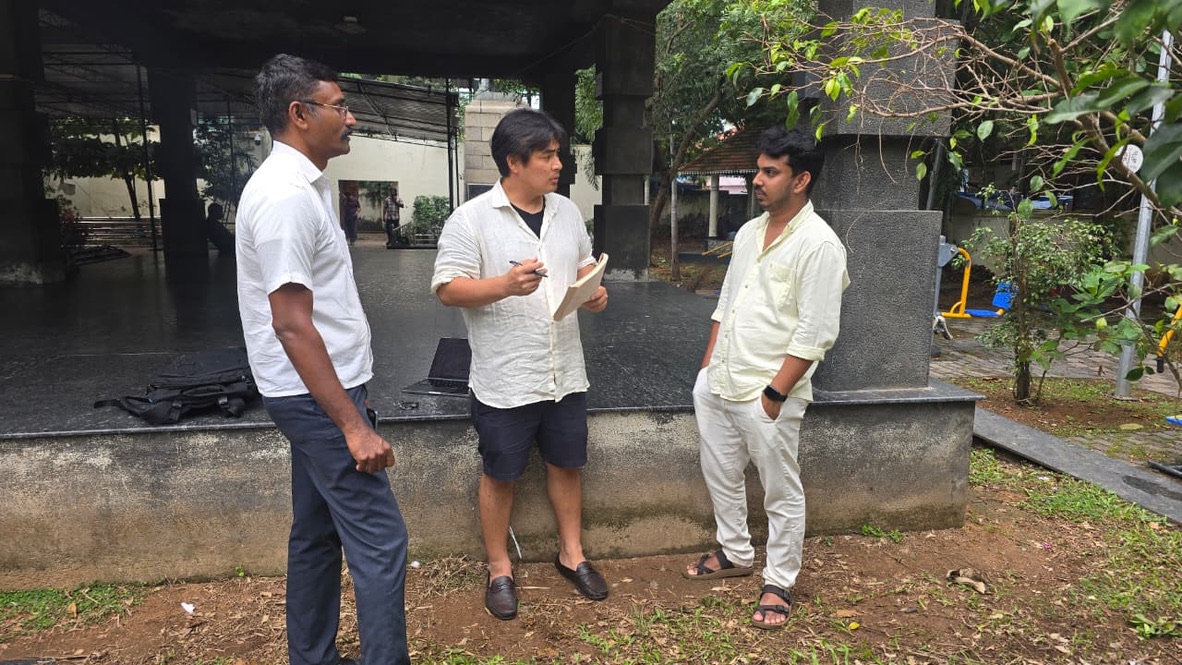
This research placed platform workers at its center while also examining the actors who made, enforced, and studied the rules governing their work. More than 45 people participated in individual and group interviews over approximately three weeks. I interviewed at least five drivers from each of several categories: autorickshaw and taxi drivers, stand-based drivers, and platform drivers. These categories were not mutually exclusive because some drivers combined stand-based work with app-based requests.
Within the government, I interviewed officials responsible for labor and transport administration. Labor organizations included leaders of established trade unions, the leadership of a newly formed taxi-driver association, and unionized and nonunionized workers at individual stands. At research institutions, I interviewed senior officials and platform researchers at the state labor research institute, as well as senior officials and relevant researchers at the transport research institute. Academic participants included a leading scholar of Kerala’s labor market and urban transportation-planning researchers. Other participants included labor-policy and public-policy experts. I also attempted to contact Uber and other platform companies, but could not secure a company interview during the limited fieldwork period.
- Observing Actual Pickup and Drop-Off Sites
I repeatedly observed different types of passenger-transport sites to examine how the institutions described in interviews operated in urban space. The sites included two of the city’s major shopping malls, three major tourist destinations, areas near the airport and railway station, and small autorickshaw and taxi stands in several residential districts. Whenever possible, I spent approximately one hour at these sites at different times of day, recording their spatial organization, the movements of drivers and passengers, fare negotiations, app-based pickups, and police responses. I asked passengers why they selected a stand vehicle or Uber and asked drivers about waiting, queues, fares, and app use.
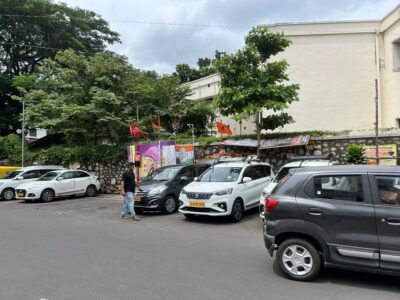
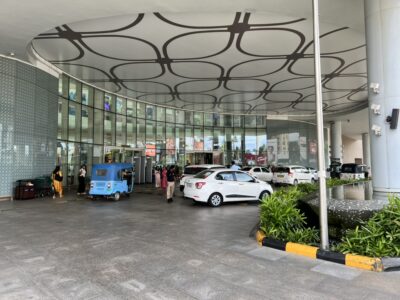
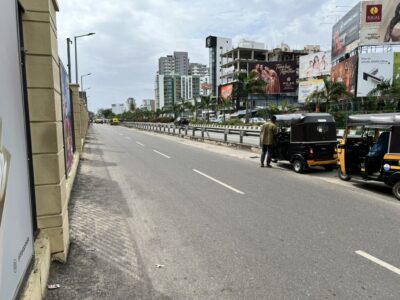
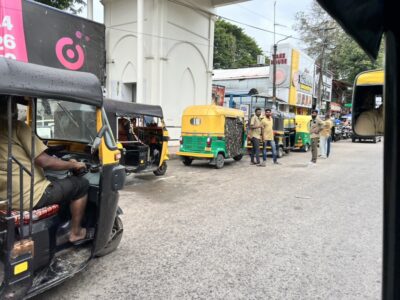
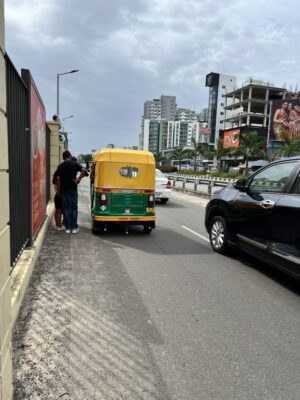
The conflict was visible beyond regulations and interview accounts. It appeared in where passengers waited and how far they walked to meet an Uber vehicle, how they negotiated fares with stand drivers, when a stand driver switched on the app and abandoned a place in the queue, and why the police blocked some vehicles from entering a stand while overlooking other violations.
Four Preliminary Findings
Four findings stood out. As an outside researcher, however, I recognize that these interpretations may miss important local context or differ from the experiences of those who live within it. I welcome corrections and alternative perspectives from those who know this context firsthand.
- Institutional Access Did Not Become Platform Control
Established unions brought platform workers’ demands into government, but institutional access did not guarantee policy adoption or enforcement. Union leaders and labor figures connected to CITU investigated working conditions, convened discussions, and helped develop regulatory proposals. One former state-level union leader, who had also headed a state labor research institution, prepared a proposal at the labor minister’s request. It reached the labor administration and the state’s political leadership but did not become an effective regulatory and enforcement system. When action stalled under an allied government, the political relationships that provided access also made sustained external pressure more difficult.
This limitation appeared in the division of authority across the transport labor market. The same drivers moved between stands and Uber. At one taxi stand, approximately forty drivers accepted local bookings when demand was sufficient and logged on to Uber when it fell. Stands continued to control physical space, membership, and queues, while Uber controlled digital requests, ratings, and accounts.
The 2024 Motor Vehicle Aggregator Policy brought platforms within state regulation. It permitted fares between 50 percent below and 50 percent above the government reference fare and required at least 80 percent of each fare to go to the vehicle owner. Yet Uber’s pricing formula remained opaque. At one stand, drivers showed me screens on which an Uber Auto ride cost approximately ₹410 while cars on the same route cost ₹288–339. “How is this possible?” they asked. Workers’ demands had entered government, but government and union authority had not entered the systems governing dispatch, evaluation, and account access.
- JTDA Filled the Mobilization Gap
JTDA emerged because institutional access had not produced timely action. As regulatory proposals remained pending, the WhatsApp-based Journey Taxi Drivers Association converted drivers’ frustration into public mobilization. One core organizer recalled:
“We, the independent associations, started the protest. … The other trade unions watched, and then gradually joined us.”
CITU, INTUC, AITUC, and other unions subsequently joined, bringing political connections and formal bargaining channels. This was not simply the replacement of established unions by a new organization. JTDA provided rapid communication, field knowledge, and pressure from below; established unions provided access to ministries, parties, and formal negotiations. Their roles were different but potentially complementary.
Together, they began turning dissatisfaction into disputes over specific rules. They challenged the policy’s ±50 percent fare range, demanded enforcement of drivers’ revenue shares, opposed unilateral account deactivation, and sought a local human appeal channel. Collective action had reached the language of regulation, even if it had not yet reached the infrastructure through which Uber enforced its rules.
- An Opaque Algorithm Produced Consumer Transparency
Uber kept dispatch and earnings opaque to drivers while offering passengers a more transparent and predictable transaction. At shopping malls and tourist sites, I repeatedly watched passengers bargain with waiting drivers and then walk beyond the stand boundary to meet an Uber vehicle, which was not allowed to enter. Every passenger I asked offered a similar explanation: stand fares were uncertain and bargaining was exhausting, whereas Uber displayed the fare, route, vehicle, and driver before the trip.
My own experience made the contrast concrete. For a route that should have cost approximately ₹20 under the regulated meter fare, stand drivers sometimes requested ₹50 or ₹100. Drivers explained that official fares did not cover fuel, waiting, empty return journeys, and vehicle maintenance. Both sides had reasons, but every trip required negotiation. Police sometimes protected stands from outside vehicles while paying little attention to drivers’ refusal to use legally required meters.
Uber formalized the passenger side of this informal transaction. It displayed fares, recorded routes, identified vehicles, and provided a complaint channel. Workers received no comparable transparency over dispatch priorities, incentives, deductions, or account deactivation. The algorithm that drivers experienced as incomprehensible appeared to passengers as an instrument of urban order.
This difference in experience also shaped the politics of platform regulation. A professor specializing in labor markets described the difficulty drivers faced in turning algorithmic opacity, unfair dispatch, and unstable earnings into issues that the wider public would recognize as its own:
“There is no public empathy.”
The point was not simply that passengers were indifferent to workers’ hardship. Repeated bargaining, uncertain fares, ride refusals, and inconsistent service had weakened public trust in the established transport system before Uber arrived. Uber’s apparent transparency therefore carried more immediate weight for passengers than drivers’ accounts of the opacity operating behind the app. Workers could challenge the platform’s unfairness without generating a broad public coalition behind their struggle.
Early promotions also attracted drivers before collective conflict emerged. Stand drivers recalled that during Uber’s first years, calls and incentives were so attractive that everyone wanted to join. A driver in his second week with Uber was earning enough to consider leaving his job and buying another vehicle. Experienced drivers and union organizers warned that requests and incentives often declined after the first few months, but he believed that others had failed because they were less strategic. The platform individualized optimism before workers could recognize a shared problem.
- The State and Labor Faced Uber on a Different Scale
The left-led government turned partly to market competition because its regulatory options had already narrowed. Kerala Savari promised lower commissions and a public alternative to Uber but had not become a viable competitor during my fieldwork. Interviewees consistently described Uber as the dominant platform, with Ola and Rapido occupying much smaller positions. A government with demonstrated capacity in welfare and public health attempted to correct a platform market through another platform but could not generate the matching density, technical reliability, or consumer use required to compete.
Consumer preference made banning Uber politically implausible. Responsibility was also divided among labor, transport, police, and information-technology authorities. Each could regulate one part of Uber, but no agency governed the entire system. By the time the 2024 policy arrived, drivers had purchased vehicles and passengers had incorporated Uber into daily mobility.
Negotiations revealed a further limit. Ola and Kerala Savari attended some discussions, while Uber repeatedly failed to appear or sent local representatives without decision-making authority. One labor researcher summarized the problem:
“Once you are called ‘partners,’ whom do you talk to? … It is an animal no one can catch.”
The largest remaining imbalance concerned the scale of learning. Uber could refine pricing, incentives, and dispatch using data accumulated across cities worldwide. Kerala’s drivers and unions often had to infer changes from declining requests or payment screens. They possessed organizational strength, field knowledge, and political access but lacked comparable data and direct access to platform decision-makers.
Kerala therefore changes the question we should ask about strong labor institutions. Their existence alone does not tell us whether they can control a platform. We must ask whether institutional authority can move when labor-market functions shift from licensing, stands, welfare provision, and political representation into privately controlled digital infrastructure. Institutional power remained strong in Thiruvananthapuram. Uber, however, had relocated the decisive rules.