
The Conversation Before the Conversation: Notes from a Theater Company’s Twentieth Anniversary
Sentences about dialogue covered the walls. Someone had taped short quotations up around the room. One said that dialogue leads toward understanding, closeness, and mutual regard. Another described it as a way for people to examine the world together, reflect, and act. I read them while we waited to begin, and my own question was simpler: what is dialogue supposed to do for us?
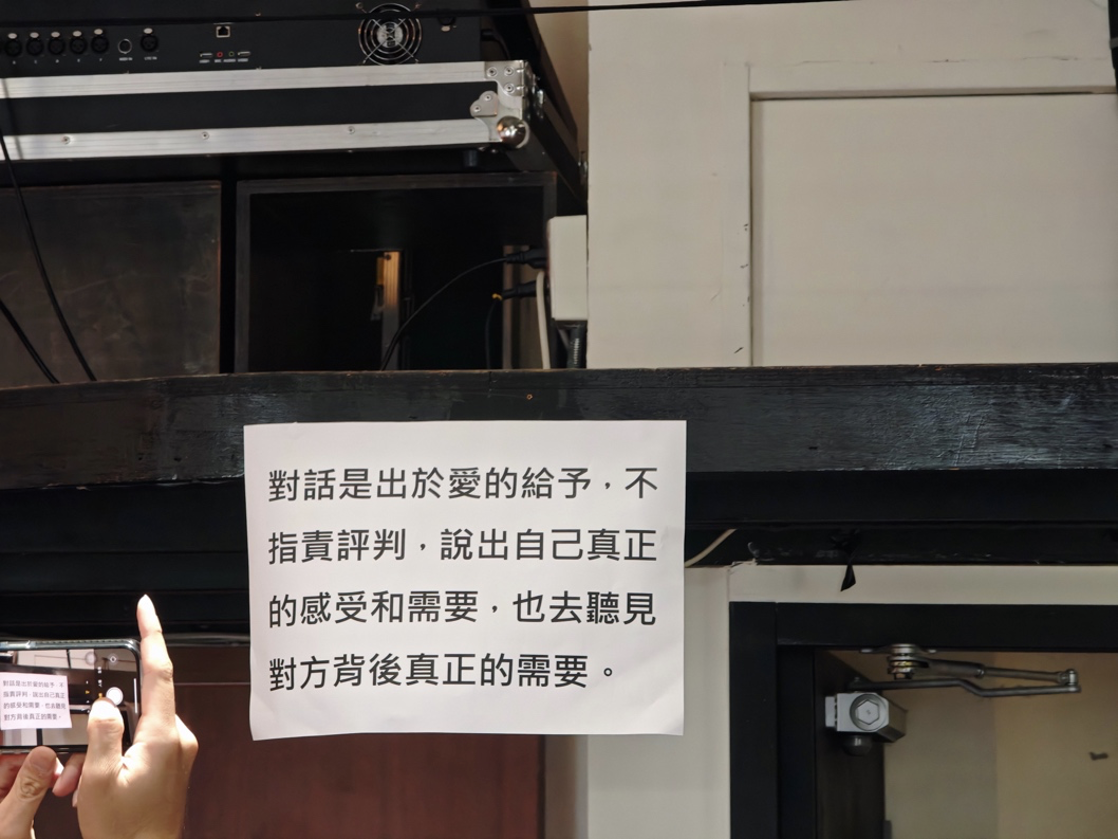
The event was called “Dialogue: Entering the Practitioners’ Field of Conversation,” one of several gatherings for the twentieth anniversary of the Center for Applied Theatre Taiwan (CATT), the company I wrote about in my last post. After some stretching and warm-up games, we split into small groups and received an odd assignment. We weren’t asked to recall a successful dialogue. We were asked to describe a time when dialogue wouldn’t start.
The stories came from theaters, schools, and neighborhoods, and the failures had little in common. One practitioner had walked into a session with a fixed picture of the audience, and the actual people in the room didn’t match it. Someone else described participants who had misunderstood what an activity was for and, after an ordinary tiring day, had no energy for one more organized event. A third thought the problem was timing, and that sometimes you just had to wait until people wanted to talk.
As I listened, I noticed that most of the fixes needed information you could only get from the conversation that hadn’t started. You change your expectations after learning who is really there. You adjust a workshop after learning how people live. You wait for the right moment, but you need some way of knowing what the other person wants to recognize it. It sounded like a chicken-and-egg problem.
The next topic was money. Nearly everyone in the room depended on government agencies, schools, NGOs, or foundations, and everyone had a story about what that dependence cost. Funders step into content. KPIs demand numbers. Reimbursement paperwork eats months.
The advice sounded nothing like the advice about participants. With participants, practitioners talked about changing themselves: dropping assumptions, entering people’s lives, adjusting to whoever was there. With funders, the emphasis nearly reversed. Know what you won’t change, keep your own language and logic, and find a translation the other side can hear.
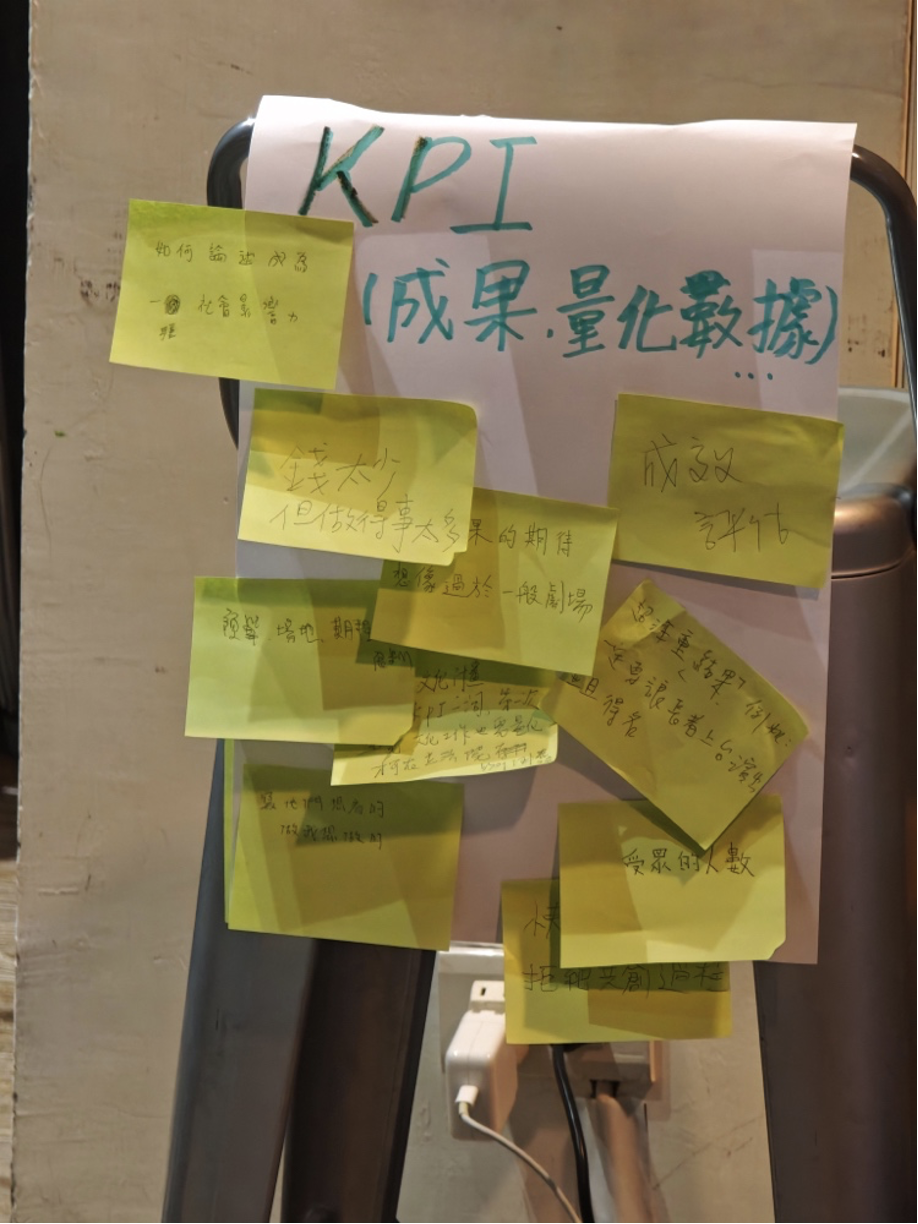
The examples were concrete. If a funder pressures you on content, change the technique but keep the core idea, and let documentation make the case. If a KPI demands numbers, present them as a short video, and one group suggested using AI tools to make it quickly. If a partner is impossible, find someone with real influence to reach the level above, and next time choose a partner with fewer layers. It was partly a survival manual. It also changed how I thought about dialogue. In some relationships it seemed to require a willingness to change, and in others it required knowing what you refused to give up.
The last topic brought the problem inside the workshop. People come to these events for a shared subject, but each carries political commitments, social roles, and histories that don’t line up neatly, and a disagreement can split a room faster than a facilitator can repair it. Our groups traded ideas for when direct argument no longer works. Play a game that creates distance from the conflict, so people can see roles instead of opponents. Tell the story behind a position rather than defending the position. Use the physical fact of theater, bodies in one room, so people meet before they are asked to agree.
Oddly, several of these methods never asked two people to speak directly to each other. One person tells a story to the room. Someone across from her listens, and only later does it become clear that the listener has a story of her own.
By the end of the afternoon the chicken-and-egg picture no longer quite fit. I had been imagining dialogue as an event with a clear start: first there is none, then two people begin talking. The practitioners described something messier. Waiting, observing, translating, playing, refusing, working out what you won’t negotiate: some of this looks nothing like conversation, and I’m not sure all of it should be called dialogue. But it does the work that lets a conversation begin.
I came to Taiwan asking how people’s theater finds or produces “the people.” I’m starting to think that question depends on another one: what has to be built between a group of people before they can recognize each other as people they are able to address? I don’t yet know how far that connection goes.